
What actually goes into a roof
A roof is a system, not just shingles. Tap any layer to see what it is, why it matters, and the shortcuts bad roofers take. This is exactly what we install, and inspect, on every Southeast Roofing job.
Tap a hot spot to see what it does
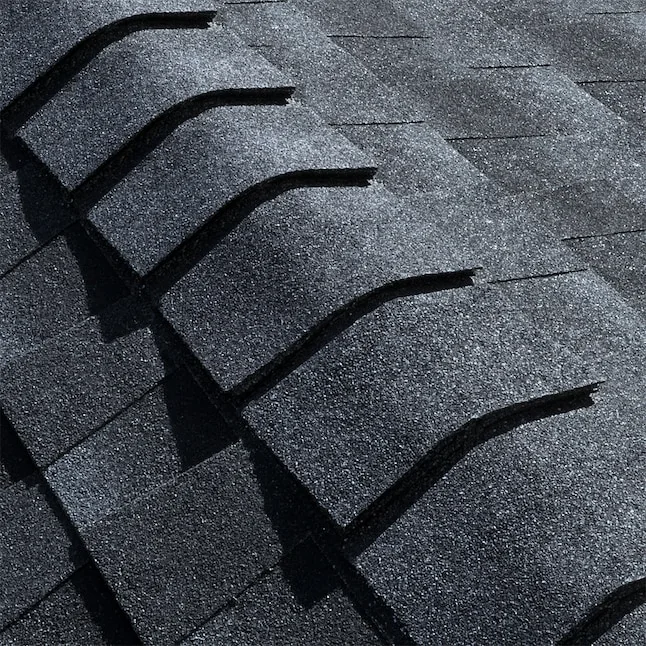 Ridge cap shingles seal and finish the roof's peak.
Ridge Cap
Caps the peak
What it is
Thicker, pre-bent shingles that cover the very peak where two roof slopes meet.
Why it matters
It seals the most exposed line on your roof and finishes it off cleanly.
If it's done wrong
Cutting up regular 3-tab shingles as 'ridge cap' (a common shortcut) cracks and leaks years early.
Flashing: the part that decides whether a roof leaks
Flashing is one pin on the diagram above and nine separate pieces on a real roof. More leaks start here than anywhere else: not in the middle of the shingles, but at the edges, walls, chimneys, and penetrations where materials meet. These are the names you'll see on a proposal or an adjuster's report, and what each one actually does.
Not every flashing detail appears on one house, roof shapes vary. The list below covers the full set we install.
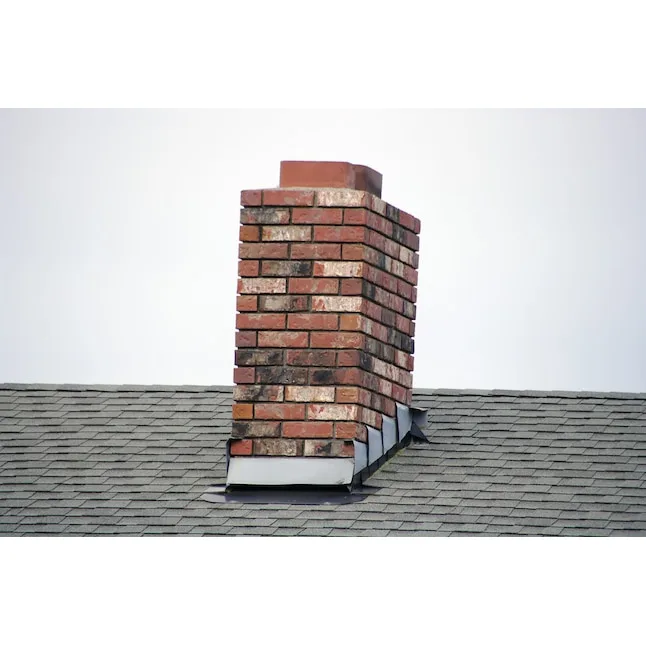 Step flashing woven course by course where the roof meets masonry.
Step Flashing
Roof meets a sidewall
What it is
Individual L-shaped metal pieces woven in one per shingle course where a slope runs alongside a wall or chimney.
Why it matters
Each piece laps the one below it, so water stepping down the wall is handed outward onto the shingles instead of behind them.
How it gets done wrong
A single long strip of bent metal ('continuous flashing') in place of real steps is a shortcut that traps water at every course line.
Want a roof built the right way?
We'll walk your roof, show you what's really going on, and explain every layer in plain English, free.