
Roofing that speaks your industry's language
A school, a sanctuary, and a distribution center don't buy roofing the same way: different schedules, budgets, approvals, and stakes. We've built our commercial practice around those differences.
Six industries
Choose your building type
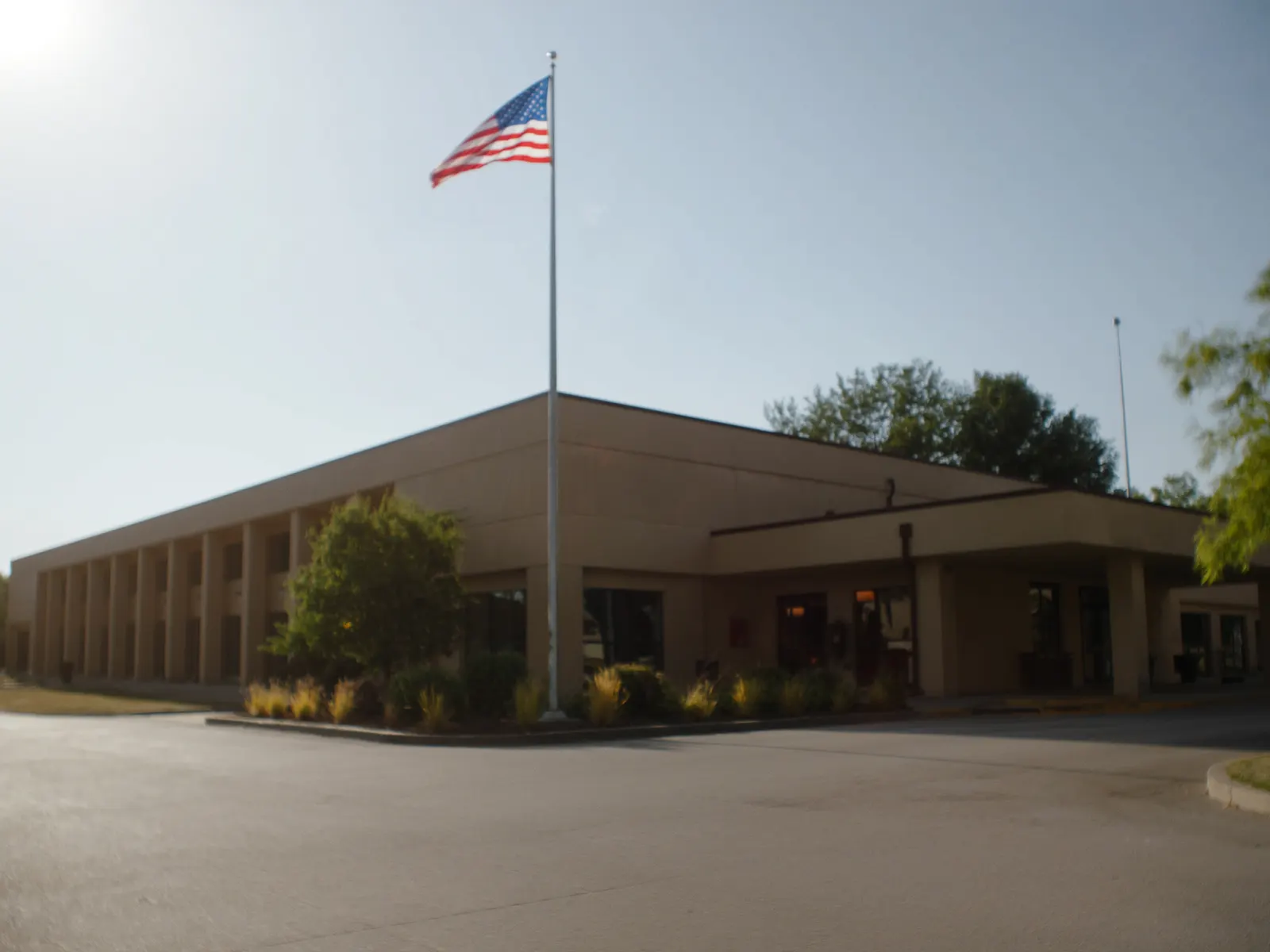
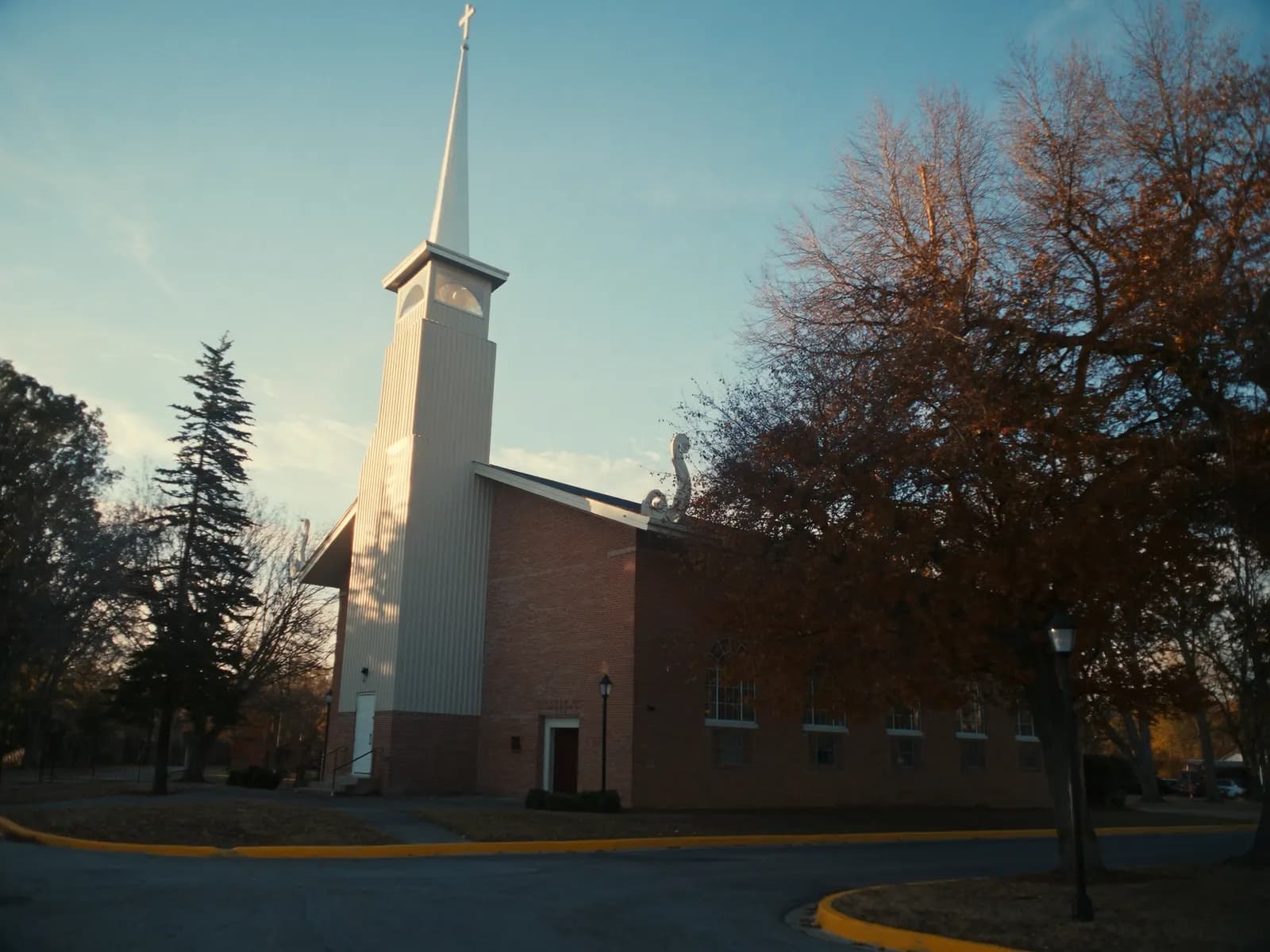
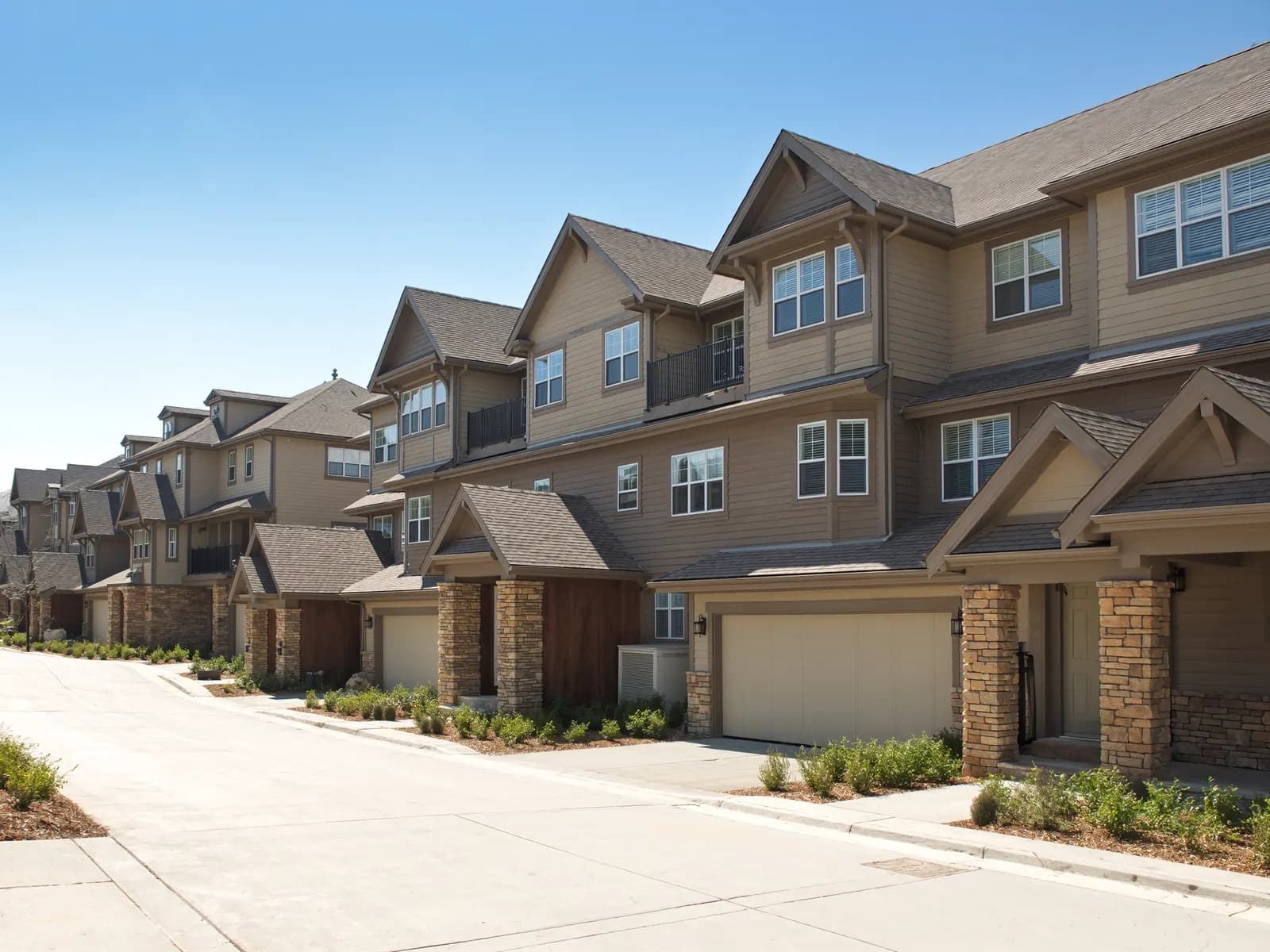
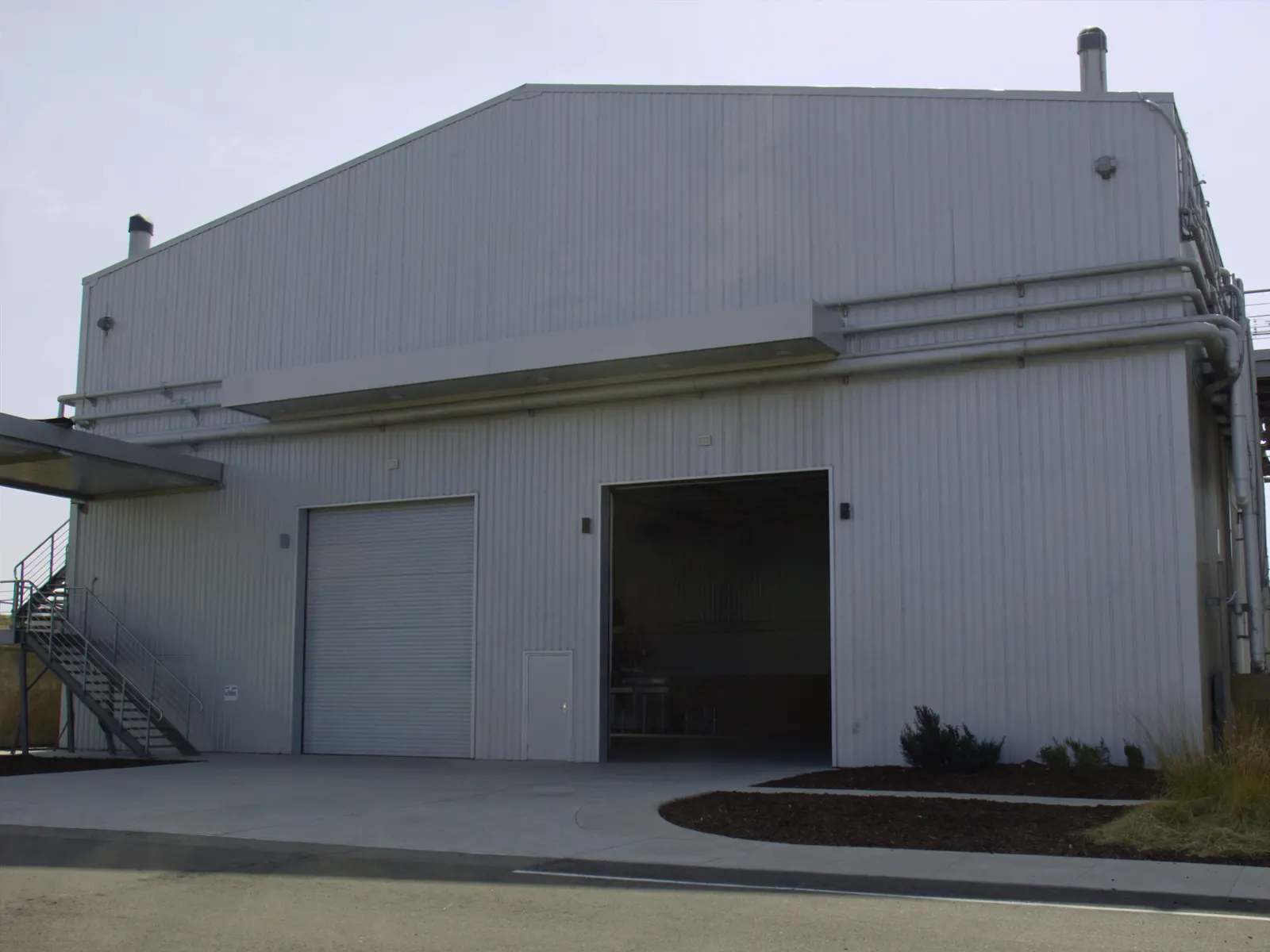
Why the building type changes the roofing answer
Two buildings with identical roof areas can need entirely different roofs, because the roof decision is never just about square footage. Occupancy drives scheduling: a school can concentrate work into summer, a church has to protect Sunday no matter what, and a manufacturer may not be able to stop the line at all. Operations drive the system: grease exhaust points toward PVC, heavy rooftop service traffic argues for multi-ply or walk-pad planning, and an open-purlin metal building narrows the field to structural systems engineered for it.
Money moves differently too. A school board, a church committee, an apartment owner, and a city procurement office approve projects on different calendars, with different documentation, and different tolerance for phasing. The six pages below get specific about each: the buildings involved, the systems commonly considered, the scheduling realities, and what each decision-maker needs from a roofing proposal. This table is the short version.
| Industry | Typical roofs on site | Main operational concern | Common failure point | Systems often considered |
|---|---|---|---|---|
| Schools | Low-slope wings, gyms, canopies, portables | Working around the school calendar | Aged sections from different building eras | TPO, modified bitumen, standing seam |
| Churches | Steep sanctuary + low-slope halls on one campus | Protecting services, weddings, funerals | Steeple flashing, dead valleys, transitions | Shingles, standing seam, TPO, modified bitumen |
| Apartments | Repeated shingle or low-slope buildings | Occupied units, parking, tenant notice | The same detail failing on every building | Architectural shingles, TPO, phased programs |
| Industrial | Metal decks, open purlins, process rooftops | Production schedules and hot-work control | Chemical exposure, traffic, vibration | PVC, TPO, structural metal, coatings |
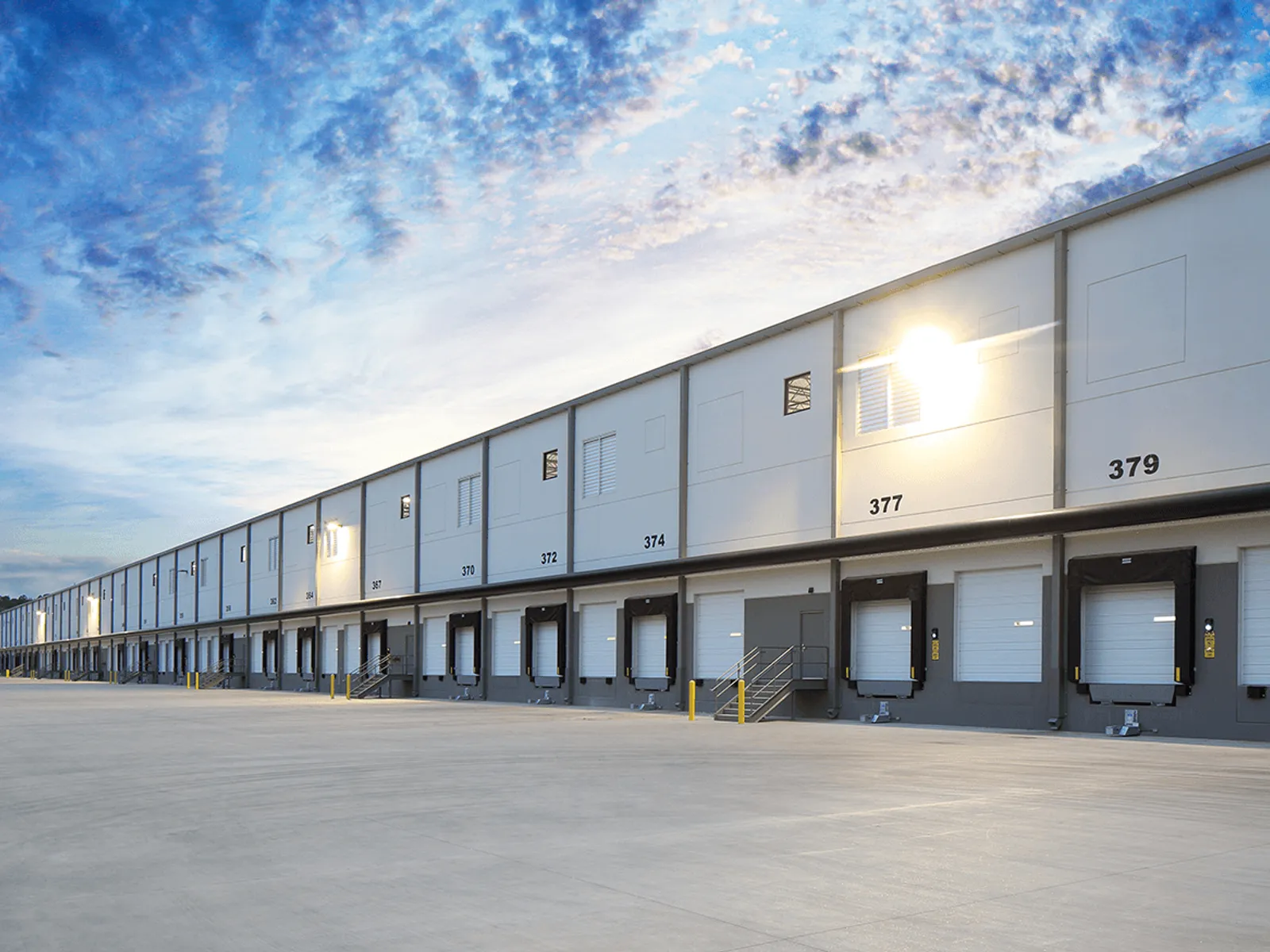
| Warehouses | Very large low-slope or metal panel roofs | Inventory protection at scale | Skylights, edge zones, drainage capacity | TPO, EPDM, PBR, structural metal |
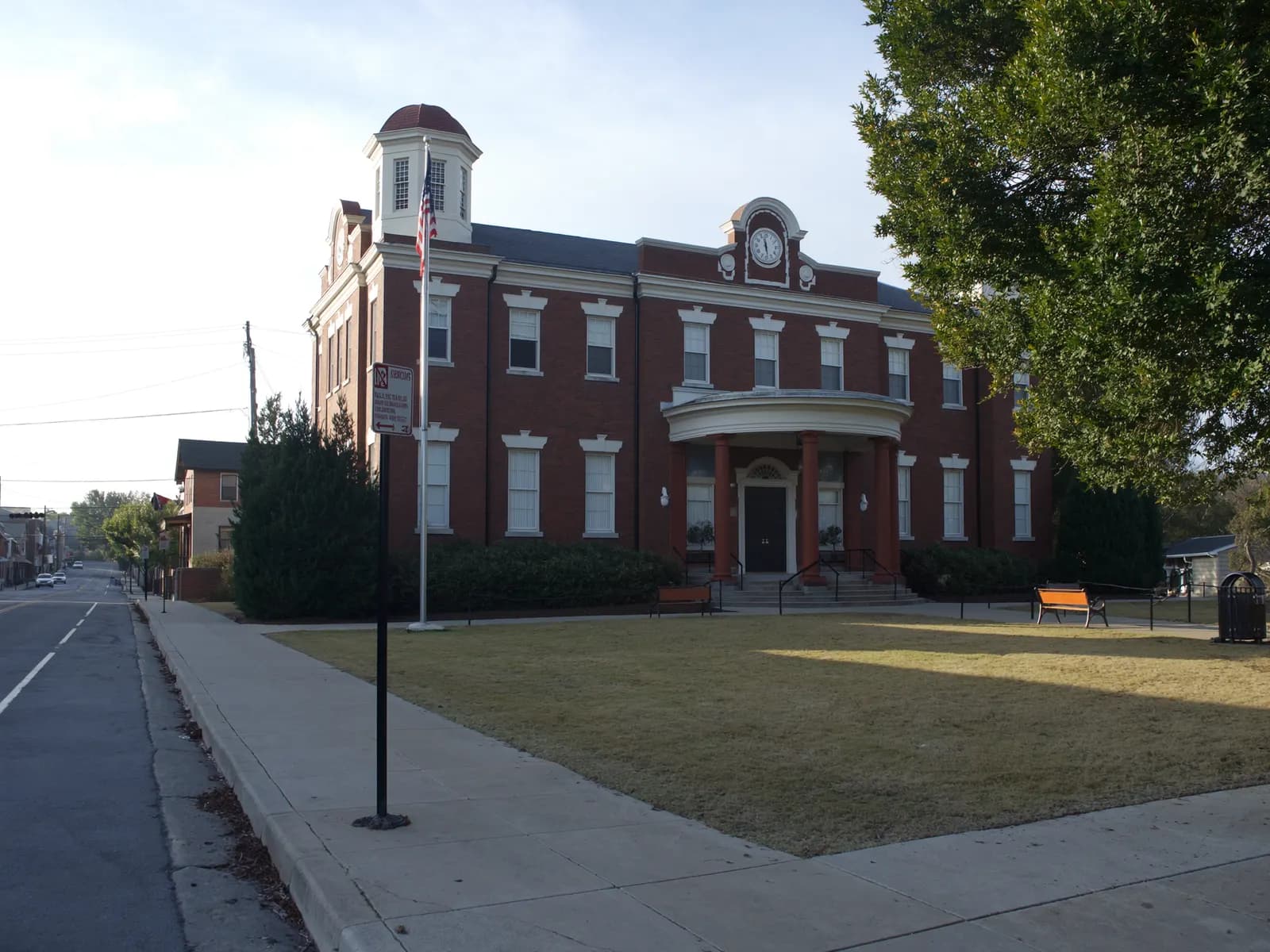
| Municipal | Mixed portfolio, public-facing facilities | Procurement, continuity of public services | Deferred maintenance across budget cycles | TPO, standing seam, maintenance programs |
What every industry has in common
However different these buildings are, the sequence we follow doesn't change. We establish what's actually on the roof before recommending anything: core samples to identify the assembly and layer count, moisture scanning to find wet insulation, and a deck check, because a recover installed over a saturated assembly only hides the problem until it gets expensive. Then the proposal gets written in the language the decision-maker actually uses: line-itemized for an owner, spec-graded for a bid table, phased for a board that funds work across budget cycles.
The other constant is that the building keeps operating. Nobody closes a school, empties a warehouse, or cancels a Sunday service for a roof, so staging, access routes, noise windows, and daily watertight tie-ins get planned with your people before a crew shows up. And when the work is done, the closeout paperwork: as-builts, warranty registration, photo documentation, and the manufacturer inspection if the selected warranty requires one: goes into your records, not just ours.
- Assessment first: cores, moisture mapping, and deck identification before any system is named.
- Written scope that survives review: by an owner, a committee, a board, or a procurement office.
- Recover versus tear-off decided by evidence and code, not by whichever is cheaper to sell.
- Scheduling built around your operating calendar, with daily dry-in so weather can't punish an open roof.
- Documented closeout: as-builts, warranty registration, and photo records you keep.
- Ongoing inspections available afterward, because the cheapest roof problem is the one caught early.
Let's talk about your roof
A consultation, not a sales pitch: we assess your building, your operations, and your budget cycle, then propose the system that actually fits.