
Residential exterior
Fascia Repair & Replacement in Hattiesburg, MS
Fascia: the roof edge that takes the abuse
The fascia is the board your gutters hang on, first to rot when gutters overflow, first to show peeling paint at the roofline. We replace it right and cap it so you stop repainting it.
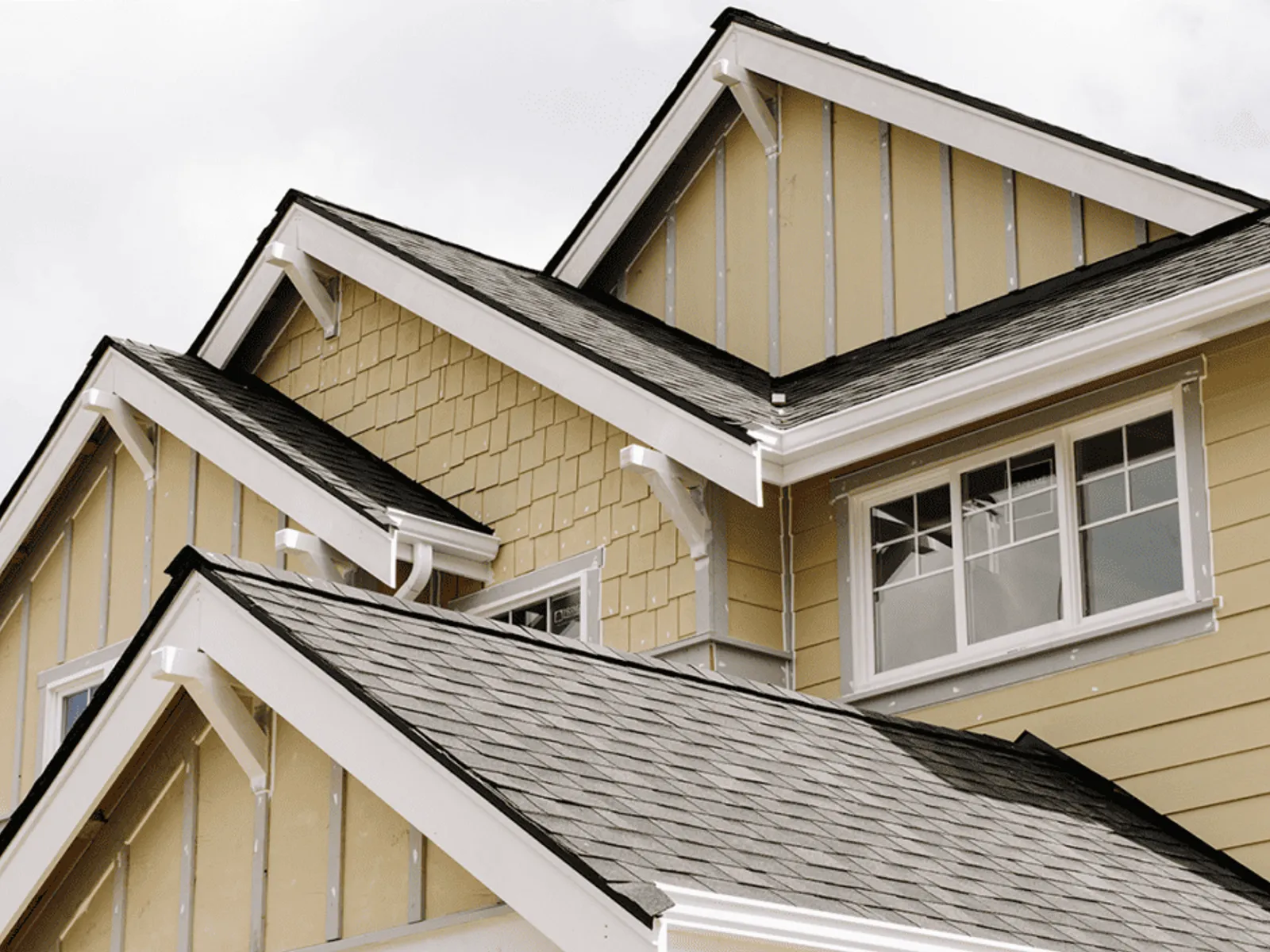
Small boards, big consequences
Fascia boards live in the splash zone: every overflowing gutter, every ice-free Mississippi downpour, every failed drip edge sends water across them. Once they soften, the problems cascade: gutters loosen and sag, water reaches the rafter tails behind, and the roofline starts looking tired from the street.
Because fascia sits where roofing, gutters, and soffit meet, it's naturally a roofer's repair. We replace rotted sections or full runs, correct the drip edge relationship that caused the rot, and, where you want the repaint cycle gone, wrap the new boards in color-matched aluminum so the roofline stays crisp for decades.
Signs your fascia needs attention
Peeling paint at the roofline
The first visible symptom of moisture cycling through the boards.
Soft or crumbling wood
Press a screwdriver near gutter brackets, soft means rot is established.
Sagging gutters
Gutters pulling loose usually mean the wood behind the hangers has failed.
Critter access
Gaps at rotted fascia are the front door for squirrels and wasps headed for your attic.
The anatomy of a roof edge
A few terms make every fascia conversation clearer. The fascia is the finished vertical board at the roof edge. The one gutters hang on. Behind it there's often a subfascia, a rougher structural board nailed across the rafter tails (the cut ends of the rafters). The soffit closes the underside of the overhang, vented or solid. And at the top, edge metal directs water off the shingles: L-profile drip edge, or a gutter apron whose longer leg reaches down over the gutter's back.
These parts fail together because they share the same water, when edge metal is missing or the gutter overflows, the fascia takes it first, then the subfascia and rafter tails, then the last course of decking. That's why our quotes start with probing behind the visible board, replacing the face while the tails rot behind it fixes the paint, not the problem.
How fascia actually rots
Fascia rot almost always has an upstream cause, and finding it is the difference between a repair and a repeat visit:
- Water running behind the gutter, missing or short drip edge lets runoff track down the gutter's back and soak the board
- Chronic overflow, clogged gutters or undersized downspouts wash the fascia every storm
- Back-pitched gutters, standing water keeps the wood behind them damp between rains
- Paint failure, once the coating opens, bare wood wicks moisture
- Animal and insect damage: squirrels, woodpeckers, and carpenter bees open water paths into sound wood
- Moisture sealed behind old aluminum wrap, capping over damp wood traps water and hides the rot until a gutter pulls loose
Repair, replace, or wrap, and the wrap trap
Localized soft spots can sometimes be cut out and patched, but once rot shows in several places along a run, replacing the full board is the cleaner, longer-lasting call. We check the subfascia and rafter tails while the board is off, if they're soft, they get sistered or replaced too, because new fascia screwed to rotten framing won't hold a gutter for long.
Aluminum wrap deserves an honest paragraph. Capping sound fascia in color-matched aluminum is a genuinely good upgrade. The repaint cycle ends and the edge sheds water. But wrapping rotten wood is not a repair; it's a cover-up that traps moisture and surfaces later as a sagging gutter or a hole a squirrel found first. We wrap only over wood we've verified or replaced, with the drip edge corrected above it, if a crew offers to wrap what they haven't probed, get a second opinion.
What fascia work touches, and what it can't avoid
Fascia doesn't come off in isolation. Gutters have to come down and go back up, the natural moment to correct their pitch and replace tired hangers, which is part of every fascia job we do. At the top edge, the drip edge laps over the fascia from under the shingles, so a clean replacement can mean lifting the first shingle course or renewing edge metal; done carelessly, that detail is how a fascia job creates a roof leak. If the last course of decking turns out soft, you'll see photos before we touch anything beyond the quote.
Where the job extends into the soffit, remember the overhang is the intake side of your attic's ventilation. Replacing soffit panels changes how much air the attic breathes, so we keep vented area at or above what the attic needs rather than sealing it shut behind fresh trim.
Our approach
How we handle fascia
Find the water source
Rot is a symptom: we identify the overflow, flashing, or drip-edge failure that caused it.
Replace what's failed
Sections or full runs replaced with sound material, rafter tails checked behind.
Cap it in aluminum
Optional color-matched capping ends the repaint cycle permanently.
Re-hang and verify
Gutters re-hung with proper pitch on the new boards, water-tested.
What shapes the price of fascia work
Fascia is quoted by the run and the damage behind it. These are the drivers.
Length affected
One soft section behind a gutter bracket is a different job than full runs on multiple elevations.
How deep the rot goes
Face board only, or subfascia, rafter tails, and edge decking behind it.
Stories and access
Second-story rooflines and steep terrain change staging and time.
Gutter removal and re-hang
Gutters come down for the work and go back up on corrected pitch.
Material choice
Painted wood, rot-resistant composite or PVC trim, and optional aluminum capping each price differently.
Edge metal correction
Fixing the drip edge that caused the rot: otherwise the new board inherits the old problem.
Finish work
Caulking and painting exposed wood, or color-matching wrap to your trim.
Storm damage? We speak insurance.
Thorough documentation, reports in the format adjusters expect, and someone on your side at the adjuster meeting.
How claim assistance works$0 down financing available
Apply through our partner GoodLeap in minutes and see the plans you qualify for, decide with real numbers in hand.
Explore financing optionsLifetime warranty
Manufacturer limited-lifetime warranty options are available on qualifying roofing systems. Ask what applies to your roof at your free inspection.
Start with a free inspectionFAQ
Fascia Replacement questions, answered
Can you replace fascia without replacing the roof?
What's the difference between fascia and soffit?
Is aluminum capping worth it?
Why did my fascia rot right behind the gutters?
Can you just wrap the existing fascia in aluminum?
Will fascia work disturb my roof or gutters?
Service area
Where we provide fascia replacement
Based in Hattiesburg and serving Mississippi within about two hours, from the Pine Belt to the Gulf Coast.
- Purvis
- Sumrall
- Seminary
- Collins
- Ellisville
- Richton
- Waynesboro
- Leakesville
- Columbia
- Poplarville
- Wiggins
- Perkinston
- Lucedale
- Kiln
- McHenry
- Saucier
- Diamondhead
- Bay St. Louis
- Pass Christian
- Long Beach
- D'Iberville
- Ocean Springs
- Moss Point
- Pascagoula
- Crystal Springs
- Jackson
- Meridian
Don't see your town? If you're within about two hours of Hattiesburg, we most likely serve you.
Ready for a roof you don't have to think about?
Schedule a free inspection or get an instant estimate right now. $0 down financing available through GoodLeap.