
Anatomy of a roof
Thirteen components sit between your family and the weather, and you can see maybe three of them from the street. Here's the whole system, what each part is, why it matters, and the shortcuts that cause it to fail.
A roof is a system, not a surface. The shingles you see are the last layer of half a dozen, and the ones you can't see: decking, underlayment, leak barrier, flashing, ventilation, decide whether it actually keeps water out for twenty years. Because our proposals price each component on its own line, this guide doubles as a decoder ring for your estimate.
Use the diagram below the same way we'd walk you around your own house: pick a spot, find out what lives there. The numbered pins sit on the parts they name, and the list underneath covers the same thirteen components if you'd rather read straight through.
The interactive diagram
Tap a hot spot to see what it does
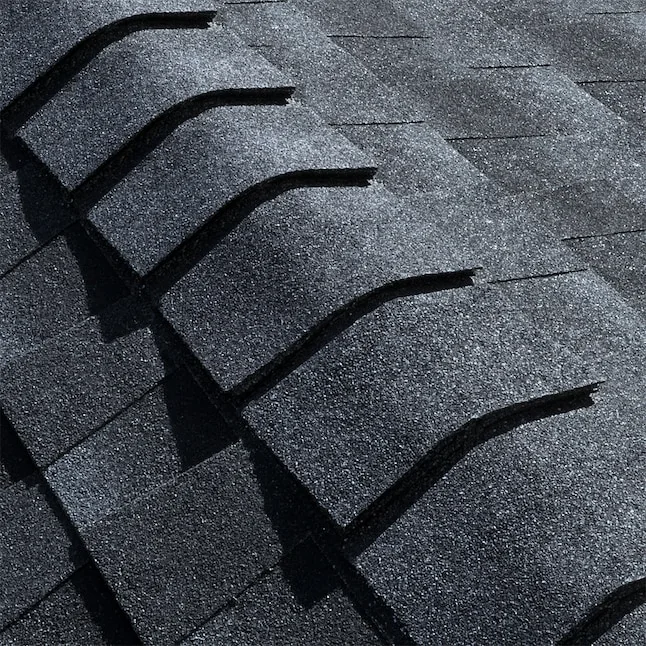 Ridge cap shingles seal and finish the roof's peak.
Ridge Cap
Caps the peak
What it is
Thicker, pre-bent shingles that cover the very peak where two roof slopes meet.
Why it matters
It seals the most exposed line on your roof and finishes it off cleanly.
If it's done wrong
Cutting up regular 3-tab shingles as 'ridge cap' (a common shortcut) cracks and leaks years early.
Reading it top to bottom
From the peak down to the ground
- Ridge cap and ridge vent. The peak is the most exposed line on the roof. The vent lets superheated attic air out; the cap seals and finishes it. Cut-up three-tab shingles used as cap crack years early.
- Field shingles, the visible weather surface. Nail placement is everything; nails driven high or into the wrong zone let wind peel courses off in the first big storm.
- Starter shingles, a purpose-made first course at the eaves and rakes whose sealant bead bonds the row above against wind uplift.
- Ice and water shield: self-sealing membrane at valleys, eaves, and penetrations, where water concentrates and fasteners are densest.
- Synthetic underlayment, a second water barrier across the whole deck that stays flat and intact where old felt paper tears and wrinkles.
- Roof decking, the plywood or OSB the whole system nails into. Soft or delaminated decking won't hold a nail, and roofing over it guarantees early failure.
- Drip edge, metal at every roof edge that throws water clear of the fascia instead of letting it wick back underneath.
- Flashing: the metal at walls, chimneys, dormers, and penetrations. More leaks start here than anywhere else.
- Valleys, where two slopes meet and the water volume concentrates. Fasteners in the flow path are a classic cause of leaks.
- Pipe boots, the collars sealing each plumbing vent. Cheap rubber dry-rots in a few Mississippi summers; it's one of the most common leaks we find.
- Gutters, carry runoff away from the fascia, siding, and foundation.
- Soffit and fascia: the trim at the eave, and the vented intake that feeds the airflow the ridge vent exhausts.
Ventilation is the layer everyone forgets
Intake at the soffits and exhaust at the ridge work as a pair, one without the other does almost nothing. In South Mississippi heat, a poorly vented attic cooks shingles from below and can void a manufacturer's warranty. Every inspection we do includes a ventilation check.
How roof ventilation worksFlashing deserves its own conversation
Flashing is one pin on the diagram and nine separate pieces on a real roof: step, counter, apron, kickout, valley, drip edge, pipe, cricket, and Z-flashing. Kickout flashing in particular is the single most-skipped piece in the trade, and its absence rots wall sheathing quietly for years before anyone sees a stain. Our full interactive tool breaks each piece out with what it does and how it fails.
See every part on an interactive house
The full Anatomy of a Roof tool has the same diagram plus a dedicated flashing section covering all nine pieces.
Open the interactive toolFAQ
Quick answers
Do I need every one of these parts?
Why do leaks usually start at flashing?
How can I tell if my decking is bad without tearing the roof off?
What is the most common thing you find done wrong?
Ready for a roof you don't have to think about?
Schedule a free inspection or get an instant estimate right now. $0 down financing available through GoodLeap.